The Birth of a Giant: A Deep Dive into ‘Shoe Dog’ by Phil Knight
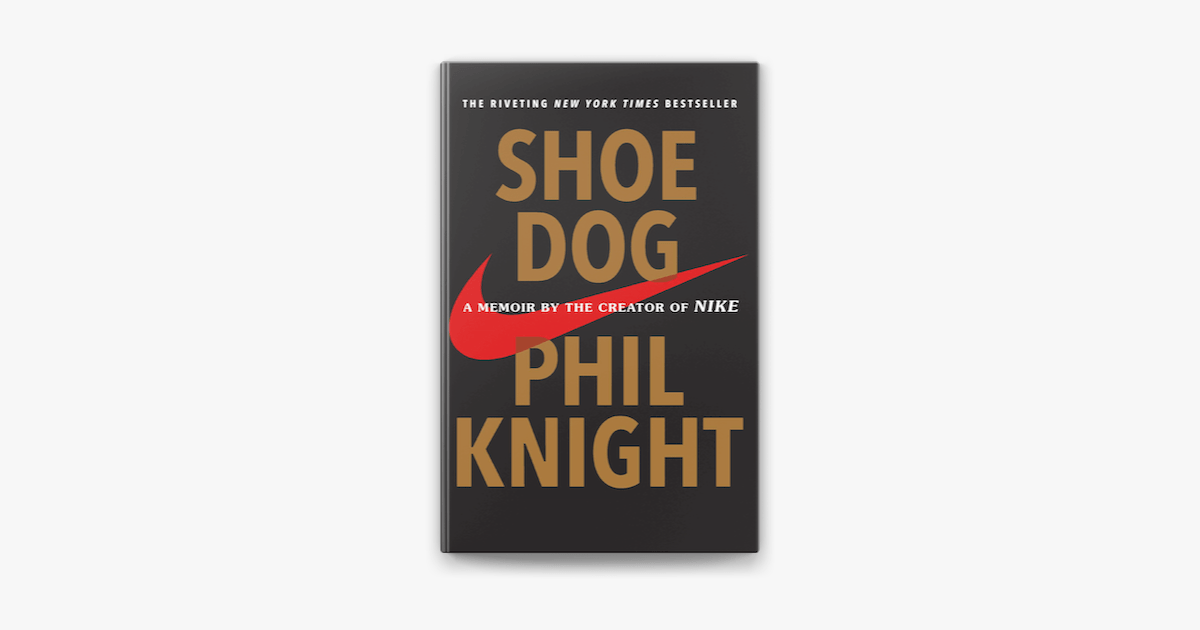
Discover the chaotic and inspiring origin story of Nike. Our ‘Shoe Dog’ by Phil Knight book summary breaks down the key lessons on entrepreneurship and grit.
Table of Contents
- Introduction: The Reluctant Billionaire
- The “Crazy Idea”: How Nike Actually Started
- Building the “Buttfaces”: Culture over Corporate
- 5 Brutal Lessons for Every Entrepreneur
- The Philosophy of the Run: Why There is No Finish Line
- Conclusion: Is Shoe Dog the Best Business Memoir Ever?
Introduction: The Reluctant Billionaire
Most people see the “Swoosh” and think of a corporate behemoth. But in his memoir, Shoe Dog, Nike founder Phil Knight peels back the curtain to reveal a decade of near-bankruptcy, legal warfare, and a constant fear of failure.
Unlike the high-gloss success stories often found in business books, Shoe Dog is a raw, vulnerable account of what it actually looks like to build something from nothing. It is a story not about shoes, but about the relentless pursuit of a “Crazy Idea.”
The “Crazy Idea”: How Nike Actually Started
In 1962, Phil Knight was a 24-year-old track runner from Oregon with an obsession. He believed that Japanese running shoes could disrupt the American market, which was then dominated by German brands.
He traveled to Japan with borrowed money, cold-called manufacturers (Onitsuka Tiger), and formed Blue Ribbon Sports—the company that would eventually become Nike. For years, Knight didn’t even have an office; he sold shoes out of the trunk of his green Plymouth Valiant at track meets.
Building the “Buttfaces”: Culture over Corporate
One of the most refreshing parts of Shoe Dog is the description of the early Nike team. They weren’t polished executives; they were a group of “misfits” who called their management retreats “Buttfaces.”
- Bill Bowerman: Knight’s former track coach and Nike co-founder who famously used his wife’s waffle iron to create a new kind of shoe sole.
- Jeff Johnson: Employee number one, a fellow runner whose obsessive letters to Knight (most of which went unanswered) provided the creative spark the company needed.
- The Shared Vision: They weren’t driven by money—in fact, for the first decade, they barely had any. They were driven by a shared belief that running could make the world better.
5 Brutal Lessons for Every Entrepreneur
- Fail Fast: Knight famously prayed that if he was going to fail, he would do it quickly so he could use the lessons in his next venture.
- Growth or Death: For years, Nike lived on the edge of bankruptcy because Knight reinvested every cent back into growth. He didn’t want a “small, profitable business”—he wanted to change the world.
- The Banker is Not Your Friend: The book details Knight’s constant battles with conservative bankers who were terrified of his “equity-to-debt” ratio.
- Don’t Tell People How to Do Things: Knight’s management style was famously hands-off. He told his team what to do and let them surprise him with the how.
- Belief is Irresistible: When you believe in the product, selling isn’t a chore. Knight didn’t “sell” shoes; he shared his passion for running.
The Philosophy of the Run: Why There is No Finish Line
Knight uses running as a metaphor for business throughout the entire book. In a race, you don’t stop when you’re tired; you stop when you’re done.
“The cowards never started and the weak died along the way. That leaves us, ladies and gentlemen. Us.” — Phil Knight
This mindset helped the team survive legal battles with their Japanese suppliers and a $25 million tax bill from the U.S. government that nearly crushed the company just as it was becoming a household name.
Final Thoughts: Is Shoe Dog the Best Business Memoir Ever?
Bill Gates and Warren Buffett have both called Shoe Dog one of the best books they’ve ever read, and for good reason. It doesn’t offer a “10-step plan to success.” Instead, it offers a reminder that the path to greatness is messy, perilous, and paved with doubt.